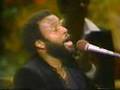
Versiunea Originală
Soon and very soon
by André Crouch
Verse 1
Soon and very soon,
We are going to see the King,
Soon and very soon,
We are going to see the King.
Soon and very soon,
We are going to see the King,
Hallelujah, hallelujah,
We are going to see the King.
Verse 2
No more crying there,
We are going to see the King,
No more crying there,
We are going to see the King.
No more crying there,
We are going to see the King,
Hallelujah, Hallelujah,
We are going to see the King.
Verse 3
No more dying there,
We are going to see the King,
No more dying there,
We are going to see the King.
No more dying there,
We are going to see the King,
Hallelujah, Hallelujah,
We are going to see the King.
Interlude
Hallelujah.
Ooh, ooh, ooh, ooh, ooh, ah.
Bridge
Should there be any rivers we must cross,
Should there be any mountains we must climb,
God will supply all the strength that we need,
Give us grace ’til we reach the other side.
We have come from every nation,
God knows each of us by name.
Jesus took His blood and He washed our sins,
And He washed them all away.
Yes, there are some of us,
Who have laid down our lives,
But we all shall live again,
On the other side.
Ending
Hallelujah.
Ooh, ooh, ooh, ooh, ooh, ah.
Hallelujah.
Ooh, ooh, ooh, ooh, ooh, ah.
Hallelujah.
Ooh, ooh, ooh, ooh, ooh.
Hallelu...
Ooh, ooh, ooh, ooh, ooh, ah.
Povestea din Spate
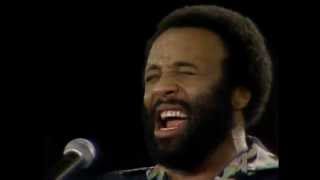
Este greu de supraestimat importanța lui Andraé Crouch (n. 1945) în muzica gospel din ultimii 40 de ani. Poate că nimeni altcineva nu a avut un nivel atât de constant de realizări și recunoaștere: cel puțin șapte premii Grammy, trei premii Dove, o nominalizare la Oscar, includerea în Gospel Music Hall of Fame în 1998 și multe altele.
Imnul metodist (UM Hymnal) conține trei dintre cântările sale: "My Tribute", "Through It All" (nr. 507) și "Soon and Very Soon" (nr. 706). Colecția The Faith We Sing include binecunoscuta "Bless His Holy Name" (nr. 2015). Împreună, acestea reprezintă doar o selecție extrem de restrânsă din cele peste 350 de cântări ale sale, apărute pe mai bine de 30 de albume. Albumul aniversar de 40 de ani, Mighty Wind, a fost lansat în 2006.
Născut împreună cu o soră geamănă la Los Angeles, a crescut într-o biserică întemeiată de tatăl său, Benjamin Crouch, care lucra în domeniul curățeniei în timp ce păstorea Christ Memorial Church, o adunare din denominația Church of God in Christ. În această biserică a început Andraé să cânte și tot aici a format primul său grup vocal, COGICS (Church of God in Christ Singers), în 1960. COGICS a înregistrat prima lui cântare, "The Blood Will Never Lose Its Power" (disponibilă în Songs of Zion, nr. 184), o cântare care rămâne până azi una dintre cele mai iubite compoziții ale sale.
În 1965, Crouch a fondat grupul Disciples și, la sfatul compozitorului creștin Ralph Carmichael, a început în 1969 să își înregistreze compozițiile. Între 1965 și 1985, Crouch și Disciples au cântat în nenumărate locuri, printre care The Tonight Show Starring Johnny Carson, Hollywood Bowl și Carnegie Hall. Disciples au făcut turnee în 68 de țări. Cântările din imnurile noastre provin din această perioadă.
Lucrarea prin cântare a lui Crouch a avut ecou dincolo de granițele rasiale. Căsătorit cu o femeie albă, rădăcinile familiei sale interrasiale i-au marcat muzica: "În liceu mergeam la Youth for Christ, unde erau tineri de mai multe rase. Liderul nostru era un alb de la biserica nazarineană. Din când în când mă rugau să cânt ceva, așa că alegeam cântări pe care știam că le vor înțelege. În plus, atât mama, cât și tata aveau în familie strămoși evrei-germani, cu bunici și străbunici din căsătorii mixte (afro-europene), așa că întâlnirile de familie erau foarte diverse. Când tata mă ruga să cânt, știam că nu vor înțelege stilul de cântare COGIC. Voiam să ajung la familia mea și la colegii de școală, așa că îmi scriam cântările mai clar, ca ei să înțeleagă Evanghelia, nu limbajul specific pe care îl folosim în biserică."
Această abordare se vede limpede în "To God Be the Glory", compusă în 1971. Imnul metodist conține doar refrenul plin de forță. O primă strofă, adesea cântată de un solist, pregătește refrenul printr-o mărturisire personală de recunoștință.
Iubitorii cântărilor gospel vor aprecia aluzia la imnul lui Fanny Crosby, "To God Be the Glory" (UM Hymnal, nr. 98). Imnul lui Crosby este scris aproape în întregime la persoana a treia, ceva neobișnuit pentru cântările gospel. Versiunea lui Crouch este la persoana întâi, o expresie de recunoștință personală.
Muzicienii și-au exprimat de multă vreme recunoștința față de Dumnezeu pentru darul muzicii lor. J.S. Bach (1685-1750) și-a semnat multe compoziții cu Soli Deo Gloria (sau S.D.G.): numai pentru slava lui Dumnezeu.
O altă temă frecventă în cântările gospel este răscumpărarea omului prin sângele lui Hristos. Aceasta a fost o temă a muzicii lui Crouch încă de la început, de la prima lui cântare, "The Blood Will Never Lose Its Power". Tema revine și în "My Tribute". Așa cum notează autorul: "With his blood he has saved me; with his power he has raised me."
Crouch slujește acum, împreună cu sora sa, Sandra, ca pastor la New Christ Memorial Church of God in Christ din Pacoima, California, adunarea întemeiată de părinții lui. Mama, tatăl și apoi fratele său au trecut la Domnul unul după altul, iar povara continuării bisericii clădite de familia Crouch a rămas pe umerii lui.
Într-un interviu pentru GospelCity.com (2002), Crouch spunea: "Am crezut că, dacă preiau mantia de pastor, muzica nu va mai putea fi prioritatea mea... Dar Dumnezeu mi-a arătat că El îmi dăduse tot ce aveam și că nu avea de gând să îmi ia nimic. Am înțeles încet că El adăuga la viața și la lucrarea mea, iar muzica era parte din amândouă la fel de mult ca întotdeauna."
Chiar și ca pastor, Crouch continuă să scrie unele dintre cele mai bune cântări ale sale: "To God be the glory!"
--www.gbod.org
Povestea din Spate (EN)
It is difficult to overestimate the importance of Andraé Crouch (b. 1945) in the gospel music field during the last 40 years. Perhaps no other person has had such a sustained level of accomplishment and recognition -- at least seven Grammys, three Dove awards, an Oscar nomination, induction into the Gospel Music Hall of Fame in 1998, and many more.
The UM Hymnal contains three of Mr. Crouch's songs -- "My Tribute," "Through It All" (No. 507) and "Soon and Very Soon" (No. 706). The Faith We Sing includes his well-known "Bless His Holy Name" (No. 2015). Together, these provide only the slimmest selection of his more than 350 songs on more than 30 albums. His 40th-anniversary album, Mighty Wind, was released in 2006.
Born with a twin sister in Los Angeles, he grew up in a church founded by his father, Benjamin Crouch, who was in the cleaning business as he pastored Christ Memorial Church, a Church of God in Christ congregation. It was in this church that Andraé began to sing and formed his first singing group, the COGICS (Church of God in Christ Singers) in 1960. The COGICS recorded his first song, "The Blood Will Never Lose Its Power" (available in Songs of Zion, No. 184), a song that continues to be one of his most popular compositions.
In 1965, Mr. Crouch founded the Disciples singing group and upon the advice of Christian composer Ralph Carmichael, began to record his compositions in 1969. From 1965-1985, Mr. Crouch and the Disciples performed in numerous venues, such as The Tonight Show Starring Johnny Carson, the Hollywood Bowl and Carnegie Hall. The Disciples toured 68 countries. The songs contained in our hymnals come from this period.
Mr. Crouch's ministry in song has had an appeal across racial groups. Married to an Anglo woman, his cross-racial family roots have affected his music: "In high school I attended Youth for Christ, which included different races. Our leader was a white guy from the Nazarene church. They would ask me from time to time to sing a song, so I would sing something that I knew they would understand. Also, my mother's and father's backgrounds both included Jewish-German with mixed-marriage (Afro-European) grandparents and great-grandparents so we would have extended family gatherings that were racially diverse. When my dad would ask me to sing, I knew they wouldn't understand the COGIC style of singing. I wanted to reach my family and kids at school, so I would write my songs clearer so that they would understand the gospel instead of some of the vernacular that we use in church."
It is this approach that is apparent in "To God Be the Glory," composed in 1971. The UM Hymnal contains only the powerful refrain. An opening stanza, often sung by a soloist, prepares for the refrain with a personal statement of gratitude.
Lovers of gospel songs will appreciate the allusion to Fanny Crosby's hymn, "To God Be the Glory" (UM Hymnal, No. 98). Crosby's hymn is written almost totally in the third person -- quite unusual for gospel songs. Mr. Crouch's version is in the first person, an expression of personal gratitude.
Musicians have long expressed gratitude to God for the gift of their music. J.S. Bach (1685-1750) signed many of his compositions, Soli Deo Gloria (or S.D.G.) -- for the glory of God alone.
Also common in gospel songs is the theme of redemption of humanity through the blood of Christ. This has been a theme of Mr. Crouch's music from the beginning with his first song, "The Blood Will Never Lose Its Power." It is a theme repeated in "My Tribute." As the author notes, "With his blood he has saved me; with his power he has raised me."
Mr. Crouch now serves with his sister, Sandra, as pastor at the New Christ Memorial Church of God in Christ in Pacoima, Calif., the congregation founded by his parents. His mother, his father, and then his brother all passed away in quick succession, placing the burden of continuing the church built by the Crouch family on him.
In an interview with GospelCity.com (2002), Mr. Crouch notes, "I thought that if I took up the mantle of pastor I wouldn't be able to make music my first priority... But God just pointed out to me that He had given me everything I had and that He wasn't about to take anything away. I slowly came to understand that He was adding to my life and ministry, and the music was as much a part of both as it had ever been."
Even as a pastor, Mr. Crouch continues to write some of his best music: "To God be the glory!"
--www.gbod.org