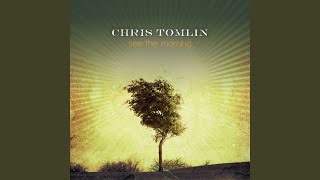
Povestea din Spate
În 2006, Bluetree, o trupă de închinare modernă din Belfast, a participat la o călătorie misionară de scurtă durată în Pattaya, Thailanda. Era prima dată când trupa pleca într-o astfel de călătorie, și s-au întors cu ceva la care nu se așteptaseră. În relatarea de mai jos, Aaron Boyd, solistul și chitaristul trupei, vorbește despre călătorie, despre impactul ei și despre o cântare care nu poate sta locului.
"Îmi era frică. Nu doar puțin, ci de-a binelea. Dau vina pe pastorul nostru de misiune; ne pregătise atât de temeinic, avertizându-ne despre pericolele care ne așteptau într-una dintre cele mai cunoscute destinații din lume pentru turismul sexual, încât ne-am petrecut prima zi în Pattaya, Thailanda, întrebându-ne în ce ne-am băgat.
Niciunul dintre noi nu se pricepe prea bine la a simți lucruri, dar plutea în aer o întunecime apăsătoare pe care nu aveai cum să nu o observi. Fiindcă veniserăm în oraș ca să conducem închinarea, împreună cu un grup de alți creștini, părea că acolo se petrece ceva dincolo de ce puteam vedea. Totul adâncea frica.
După câteva zile, emoțiile au început să se risipească. Simțeam că, deși fuseserăm ocupați, nu fuseserăm destul de ocupați. Voiam să cântăm mai mult și am început să insistăm pe lângă pastorul nostru de misiune să ne găsească mai multe ocazii să facem ceea ce ne era cel mai drag: să Îi cântăm lui Dumnezeu în mijlocul acelui întuneric.
Am ajuns să primim ocazia de a cânta într-un local numit Climax Bar. Se află în cartierul rău famat al orașului, iar ca să intri trebuie să treci pe lângă o scară care urcă spre un alt club, dintre acelea cu bară la intrare și fete care stau sau dansează încercând să atragă clienți. Noi am lăsat capul în jos și am mers mai departe.
Climax Bar nu e un loc mare. Are o mică cabină de DJ pe stânga și o scenă lată și puțin adâncă pe dreapta. După-amiaza, la instalare, totul era veselie, dar pe măsură ce se întuneca și am început să cântăm, lucrurile s-au schimbat. După două ore cântaserăm fiecare cântare de închinare pe care o știam, dar nu era încă vremea să încheiem. Se întâmpla ceva.
Cine a crescut în Belfast s-a obișnuit cu oameni care plâng în biserică, rugându-L pe Dumnezeu să ne schimbe orașul. Nu știu dacă ajungi să devii insensibil la toate acestea, dar știu că eu nu avusesem niciodată astfel de sentimente pentru un loc anume. Totul s-a schimbat în acea noapte în Pattaya. Compasiunea a pus stăpânire pe mine și am început pur și simplu să cânt ceea ce știam că este adevărat despre cine este Dumnezeu pentru oamenii acelui oraș. Și atunci parcă lucrurile au început să se miște.
Îmi amintesc că am privit spre stânga și am văzut un grup de englezi pe stradă. Bănuiesc că veniseră doar ca să cumpere timp cu fete thailandeze ieftine și să facă ce voiau cu ele. Dar li se citea uimirea pe față când auzeau adevărul din cuvintele pe care le cântam: că Dumnezeu este prezent în acel loc, că lucruri și mai mari vor veni, că există o lumină care alungă întunericul.
Se întâmpla ceva, dar nu ne dădeam seama dacă în noi sau dincolo de noi. Tot ce știam era că fuseserăm în mijlocul a ceva ce nu mai trăiserăm până atunci.
În autobuz, pe drumul spre casă, și în zilele următoare am definitivat restul cântării, dar felul în care s-a născut în acea noapte este aproape identic cu felul în care a înregistrat-o Chris Tomlin pe cel mai recent album Passion.
Există o parte a cântării care a venit după acea noapte: 'Where glory shines from hearts aloud with praise for you and love for you in this city...'
Încă îmi amintesc de fetele acelea vândute pe stradă ori de câte ori cânt aceste cuvinte. Viețile lor sunt prinse în atât de multă durere, dar sunt convins că au o cântare mai bună de cântat, sunt convins că din inimile și din viețile lor pot străluci slava și lauda.
Când s-a încheiat călătoria, ne-am întors la Belfast știind, cumva, că se petrecuse ceva însemnat. Prima dată când am cântat această cântare, în afară de Pattaya, a fost la Manafest, un eveniment lunar Youth For Christ la care participam regulat. Am cântat-o, și cred că mi-a luat vreo jumătate de oră să spun povestea, atât de tare plângeam. Puțin mai târziu am deschis un concert al lui Chris Tomlin la Odyssey Arena. Atunci a auzit-o și a ajuns să adopte 'God Of This City' ca imnul momentului pentru Passion.
Ca trupă, vrem doar să fim ascultători în tot ce ne pune Dumnezeu în față, iar El ne-a binecuvântat cu o cântare care răsună în toată lumea. Din tot ce a urmat, turnee, vânzări și drepturi de autor, vom putea sprijini numeroase proiecte care transformă vieți altfel prinse în capcană.
Ce cred că nu ar trebui să se întâmple este ca 'God Of This City' să devină doar încă un imn evanghelic pe care îl cântăm ca să ne simțim bine. Trebuie să facă mai mult decât să ne desfete urechile sau să ne dea fiori; trebuie să ne împingă afară, spre oameni.
Sunt atâtea lucruri care ne împing astăzi spre noi înșine, încât cred că avem nevoie zilnic să ni se amintească faptul că suntem chemați să fim mâinile și picioarele lui Dumnezeu, chemați să schimbăm concret viețile oamenilor, chemați să fim cu adevărat nădejde acolo unde nu mai e nicio nădejde. Noi, Biserica, trebuie să fim izvorul dragostei acolo unde dragoste nu există. Ar trebui să ne îngrijoreze mai puțin condamnarea lucrurilor rele din lume și să ne punem mai multă energie în îndreptarea lor. Trebuie să fim biserica dragostei, nu a urii. Și suntem chemați să facem toate acestea știind că lucruri tot mai mari și mai mari vor veni.
Căutați 'God Of This City' pe YouTube și veți vedea că atâtea orașe din lume au folosit cântarea pentru a aduce în atenție nevoile din jurul lor. Dar nu cred că această cântare există ca să fie folosită drept un instrument de 'revendicare' a unui oraș. Trebuie însoțită de fapte: nu implorându-L pe Dumnezeu să vină să ne trezească orașul, ci înțelegând că noi avem responsabilitatea de a-l schimba, de a fi nădejde pentru cei fără nădejde și pace pentru cei neliniștiți. Adevărul e simplu: noi suntem mâinile și picioarele lui Dumnezeu.
Am putea sta să-L implorăm pe Dumnezeu să schimbe India, Pattaya, Cambodgia sau orice altă situație apăsătoare, dar nu cred că acesta este rostul: nu cred că e treaba noastră să-I forțăm mâna lui Dumnezeu ca să lupte împotriva nedreptății, cred că e treaba noastră să ne apucăm și să luptăm noi înșine, să privim în jur și să înțelegem cât de bine ne-a echipat Dumnezeu ca să ne transformăm comunitățile și vecinii de pe tot globul. Cum spuneam: suntem mâinile și picioarele lui Dumnezeu, iar dacă vrem să ne luăm credința în serios, nu avem altă opțiune decât să acționăm.
Despre asta este cântarea, și de aceea poveștile care cresc din ea vor fi spuse de oameni de care poate nu am auzit niciodată: creștini obișnuiți care își pun credința în faptă și își transformă lumea, om cu om."
"God Of This City" a devenit una dintre acele coloane sonore unice: o declarație a adevărului și o încurajare pentru toți cei care o aud să îl creadă. Această creștere înseamnă că melodia a călătorit acum mult mai departe decât trupa însăși. "God Of This City" pare să fi atins o coardă sensibilă, nu doar în grupuri și biserici, ci și în oameni care nu se mai mulțumesc să trăiască o credință mioapă.
(link)
Povestea din Spate (EN)
In 2006, Belfast-based modern worship band Bluetree took part in a short-term missions trip to Pattaya, Thailand. It was the first time the band had been out on a trip like this, and they came back with something they never expected. In the story below, Bluetree lead vocalist/guitarist Aaron Boyd talks about the trip, its impact and a song that can’t sit still.
“I was frightened. I mean, not just a little bit – but a whole lot. I blame our Mission Pastor; he’d done such a great job on us – warning about the dangers that we were up against in one of the world’s most infamous destinations for sex tourists – that we spent the first day or so in Pattaya, Thailand, wondering what we’d got ourselves into.
None of us in the band are much good at sensing things, but there was an intense darkness in the air around the place that we just couldn’t miss. As we were in the city to lead worship – along with a bunch of other Christians – it seemed like there was something going on there, something beyond what we could see. It all added to the fear.
After a few days the nerves started to lift. We were feeling that even though we’d been busy we’d not been busy enough. We wanted to play more and started nagging our Missions Pastor to get us more opportunities to do what we were most passionate about; singing songs to God in the midst of all that darkness.
We ended up getting the chance to play in this venue called the Climax Bar. It’s in the city’s red light district and to get into it you have to walk past a flight of stairs leading up to another club – the sort that has a pole outside and girls hanging about or dancing trying to hook people in. We just put our heads down and kept on walking.
The Climax Bar isn’t a big place. There’s a small dj booth on the left and a stage that’s wide and shallow on the right. We were setting up in the afternoon and it was all fun, but as it got darker and we started to play, things began to change. After two hours we’d played every worship song that we knew, but it wasn’t time to finish. Something was up.
Growing up in Belfast means that we’ve grown used to people crying in church, begging God to change our city. I don’t know whether you become numb to it all, but I do know that I had never really had those kinds of feelings for a particular place. It all changed that night in Pattaya. The feelings of compassion took over and I started just to sing out what I knew was true about who God is to the people of the city. And that was when it felt like things started to happen.
I remember looking over to my left and seeing a group of English guys in the street. My guess is that they were just over to buy time with cheap Thai girls and do whatever they wanted with them. But you could see their surprise as they heard the truth deep in the words we were singing out; that God was a part of this place, that greater things were to come, that there is a light that eliminates the darkness.
Something was happening, but whether it was in us or beyond us we couldn’t tell. All we knew was that we’d been in the middle of something we’d not experienced before.
On the bus ride home and over the next few days we nailed the rest of it, but the way the song arrived that night was pretty much as Chris Tomlin ended up recording it on the latest Passion album.
There’s one part of the song that came along after the night: ‘Where glory shines from hearts aloud with praise for you and love for you in this city…’
I can still remember those girls who were being sold on the street whenever I sing these words. Their lives are caught up in so much pain, but I’m convinced that they’ve got a better song to sing, I’m convinced that there’s glory and praise that can shine from their hearts and lives.
When the trip was over we came back to Belfast and kind of knew that something significant has taken place. The first time we ever played that song – apart from in Pattaya – was at Manafest, a monthly Youth For Christ event we were regulars at. We did the song, and I think it took me about half an hour to tell the story I was crying so much. A little later we were opening for Chris Tomlin at the Odyssey Arena. He heard it then and ended up adopting ‘God Of This City’ as Passion’s anthem of the moment.
As a band we just want to be obedient to whatever God’s put in front of us and God’s blessed us with a song that’s shouting across the world. Off the back of it all – the touring, the sales and royalties – we’re going to be able to support plenty of different projects that help transform lives that would otherwise be trapped.
What I believe shouldn’t happen is this: ‘God Of This City’ should not become just another Evangelical anthem that we sing to make ourselves feel good. It must do more than just please our ears or give us goose-bumps; it has to propel us out.
There’s so much pushing us into ourselves these days that I think we need daily reminders that we are called to be God’s hands and feet, that we are called to practically change people’s lives, that we are called to actually be hope in a hopeless situation. We – the Church – must be the source of love where there is no love. We should worry less about condemning the things that are wrong with the world, and put more of our energies in to putting those things right. We need to be the church that deals in love, not in hate. And we’re called to do all this with the knowledge that greater, and greater and greater things are still to come.
Search for ‘God Of This City’ on YouTube and you’ll see that so many cities and towns around the world have used the song to help bring into focus the needs around them. But I don’t think that the song is there to be used as some kind of tool to ‘claim’ a city. It has to be accompanied by the actions – not by begging God to come and revive our city, but by getting hold of the idea that we have the responsibility to change the city, to be hope to the hopeless and peace to the restless. The truth is simple; we are God’s hands and feet.
We could sit and beg God to change India, Pattaya, Cambodia or whatever other oppressive situation you could mention, but I don’t think that’s the point: I don’t think it’s up to us to twist God’s arm into fighting injustice, I think it’s up to us to get on and fight it ourselves, to look around and realise quite how well God has equipped us to transform our communities and global neighbours. Like I said before; we’re God’s hands and feet, if we want to be serious about our faith we don’t have any choice other than to act.
That’s what the song’s all about, and that’s why the stories that grow from it will be told by people we may never had heard of – everyday Christians putting their faith into action and transforming their world, one person at a time.”
“God Of This City” has become one of those unique soundtracks; a declaration of the truth and an encouragement to all who hear it to believe it. That growth means the song has now travelled far further than the band itself. “God Of This City” seems to have struck a chord, not just with groups and churches, but also individuals who are no longer satisfied with living out a short-sighted faith.
(link)


 Copyright © and in this translation 2006 Thankyou Music (Adm. by CapitolCMGPublishing.com excl. UK & Europe, adm. by Integrity Music, part of the David C Cook family,