Povestea din Spate
Oricât de importante, chiar supreme, ar fi cuvintele într-o cântare de închinare, uneori avem nevoie să ni se amintească de puterea melodiei de a lua acele cuvinte și de a le transforma. Un exemplu grăitor este imnul din anii 1860 "Before The Throne of God Above", care a cunoscut în ultima vreme o adevărată renaștere printre artiștii contemporani.
Dacă îi cunoști textul, știi că această cântare ne amintește cu putere că Isus este mijlocitorul nostru înaintea Tatălui. De altfel, autoarea textului, Charitie Lees Bancroft, a intitulat inițial imnul "Advocate". Charitie era copilul unui pastor irlandez și s-a născut în comitatul Dublin în 1841 (așadar soții Getty nu sunt primii autori de mari imnuri irlandeze!). Textul cuprinde o mulțime de aluzii și imagini biblice care ne dau siguranța lucrării Marelui nostru Preot, "whose name is love". Vom reveni la text, dar primul lucru de spus este felul în care melodia aduce acest text la viață.
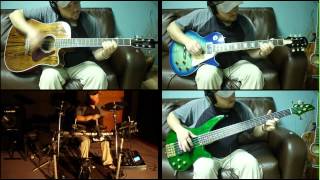
Înainte ca Vikki Cook, de la Sovereign Grace Ministries, să compună melodia în 1997, acest text rar auzit era de obicei cântat pe melodii de imn (printre care și cea a cântării "Sweet Hour of Prayer") care dădeau cuvintelor un aer trist. (Încearcă să cânți cuvintele pe melodia "Sweet Hour" și vei înțelege ce vreau să spun.) Dar eliberat prin melodia puternică și plină de bucurie, cu iz de cântec popular, pe care a scris-o Vikki Cook, textul exprimă încrederea și bucuria unui om aflat în siguranță în harul puternic al lui Hristos. Este un compliment adus melodiei faptul că mulți au crezut, în mod greșit, că textul și melodia au fost create împreună, sau chiar că melodia ar fi mai veche decât textul. Când Shane and Shane au înregistrat-o prima dată, au omis, cu totul nevinovat, să menționeze compozitoarea, pentru că li se spusese că atât melodia, cât și textul erau în domeniul public.
Să ne întoarcem la text: dintre multele lui învățături puternice, pe mine mă mișcă în mod deosebit primele versuri ale strofei a doua. Cine dintre noi nu a simțit glasul acuzator al lui Satan atunci când suntem conștienți de păcatul nostru? În timp ce glasul mustrător al Duhului Sfânt ne conduce la pocăință și la siguranța iertării, glasul acuzatorului nu vrea decât să ne descurajeze și să ne împingă într-o deznădejde paralizantă. Avem nevoie disperată să ni se amintească faptul că Dumnezeu chiar privește la Fiul și mă iartă pe mine.
Și aceasta pare a fi tema întregului text: avem un mijlocitor care nu doar ne pledează cauza, ci ia asupra Lui și pedeapsa pentru vina noastră. Adevărurile sunt atât de veșnice, iar melodia atât de ușor de cântat, încât a fost inclusă, printre multe alte cântări mai energice, chiar și în programul pentru copii pe care l-a folosit biserica noastră vara aceasta. Sunt sigur că multe dintre concepte nu au fost pricepute de copii. (Încearcă să explici unor copii de clasa întâi versul "no tongue can bid us thence depart".) Dar au învățat și au cântat cântarea cu entuziasm și am încredere că, în timp, pe măsură ce vom continua să cântăm acest imn puternic, siguranța pe care o dăruiește va fi țesută în urzeala credinței lor, așa cum a fost țesută în a mea.
Sursa: http://churchmusictoday.wordpress.com/2012/08/11/behind-the-song-before-the-throne-of-god-above/
Povestea din Spate (EN)
As important, even supreme as words are in the context of a worship song, we sometimes need to be reminded of the power of melody to take those words and transform them. A case in point is the 1860′s hymn “Before The Throne of God Above,” which has enjoyed a renaissance lately among contemporary artists.
If you know the text to this song, you know that it powerfully reminds us that Jesus is our advocate before the Father. In fact, the writer of the text–Charitie Lees Bancroft–originally entitled the hymn “Advocate”. Charitie was the child of an Irish minister, born in county Dublin in 1841 (so the Gettys are not the first writers of great Irish hymns!) The text includes a multitude of scriptural allusions and images that assure us of the ministry of our “great high priest whose name is love.” We’ll come back to the text later, but the first point to be made is how the tune brings that text alive.
Before Vikki Cook of Sovereign Grace Ministries wrote the tune in 1997, this rarely heard text was typically paired with hymn tunes (including the tune to “Sweet Hour of Prayer”) that give the words a mournful quality. (Try singing the words with the Sweet Hour tune and you will see what I mean). But set free with the strong and joyous folk tune that Ms. Cook penned, the text expresses the confidence and joy of a person secure in the powerful grace of Christ. It is a compliment to the melody that many have mistakenly believed text and tune were created together, or that the tune predates the text. When Shane and Shane first recorded it, they innocently failed to give the composer credit because they had been told both tune and text were in the public domain.
Back to the text–among it’s many strong teachings, I am particularly struck by the opening phrases to the second stanza. Who among us has not felt the accusatory voice of Satan when we are aware of our sin? While the convicting voice of the Holy Spirit would lead us to repentance and the assurance of forgiveness, the accuser’s voice desires only to discourage us and lead us into a paralyzing sense of hopelessness. We desperately need the reminder that God really does “look on Him and pardon me.”
And that would seem to be the theme of the entire text–that we have an advocate who not only pleads our case, but also accepts the penalty for our crime. The truths are so timeless, and the tune so singable, it was even included among many more energetic songs in the VBS curriculum that our church used this summer. I am sure that many of the concepts were not grasped by the kids. (Try explaining “no tongue can bid us thence depart” to first graders). But they learned and sang the song with enthusiasm, and I am confident that over time, as we continue to sing this powerful hymn, the assurance it provides will be woven into the fabric of their faith as it has been in mine.
Source: http://churchmusictoday.wordpress.com/2012/08/11/behind-the-song-before-the-throne-of-god-above/