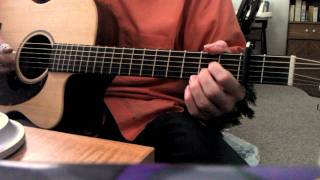
E
Îngeri mii din B
ceruri E
cântăE
Pe deasupra B
văiE
lor,E
Munții bucuroB
și reE
petăE
Armonia, B
cântul E
lor:E
GloA
ooC#m
ooB
orie,E
S-a născut MeA
siB
aE
!Ce-i cu bucuria voastră?
Voi, păstori ce auziți?
Ce anunță coru-n slavă?
Ce-ascultați așa uimiți?
Voi, păstori ce auziți?
Ce anunță coru-n slavă?
Ce-ascultați așa uimiți?
E
GloA
ooC#m
ooB
orie,E
S-a născut MeA
siB
aE
!Pruncul sfânt cu chip de soare
E nespus de luminos;
Sfinți părinți cu adorare
Îl veghează pe Hristos.
E nespus de luminos;
Sfinți părinți cu adorare
Îl veghează pe Hristos.
E
GloA
ooC#m
ooB
orie,E
S-a născut MeA
siB
aE
!Vino azi la ieslea sfântă,
Laudă să-I aduci smerit,
Viața ta doar Lui predată
Pentru El e-un dar dorit.
Laudă să-I aduci smerit,
Viața ta doar Lui predată
Pentru El e-un dar dorit.
E
GloA
ooC#m
ooB
orie,E
S-a născut MeA
siB
aE
!E
Îngeri mii din B
ceruri E
cântăE
Pe deasupra B
văiE
lor,E
Munții bucuroB
și reE
petăE
Armonia, B
cântul E
lor:E
GloA
ooC#m
ooB
orie,E
S-a născut MeA
siB
aE
!Ce-i cu bucuria voastră?
Voi, păstori ce auziți?
Ce anunță coru-n slavă?
Ce-ascultați așa uimiți?
Voi, păstori ce auziți?
Ce anunță coru-n slavă?
Ce-ascultați așa uimiți?
E
GloA
ooC#m
ooB
orie,E
S-a născut MeA
siB
aE
!Pruncul sfânt cu chip de soare
E nespus de luminos;
Sfinți părinți cu adorare
Îl veghează pe Hristos.
E nespus de luminos;
Sfinți părinți cu adorare
Îl veghează pe Hristos.
E
GloA
ooC#m
ooB
orie,E
S-a născut MeA
siB
aE
!Vino azi la ieslea sfântă,
Laudă să-I aduci smerit,
Viața ta doar Lui predată
Pentru El e-un dar dorit.
Laudă să-I aduci smerit,
Viața ta doar Lui predată
Pentru El e-un dar dorit.
E
GloA
ooC#m
ooB
orie,E
S-a născut MeA
siB
aE
!